






In the post-apocalyptic world of the Fallout series, some many fascinating creatures and characters have captured the imaginations of players and fans alike. One such iconic character is the Ghoul, a unique and intriguing being that has become synonymous with the desolate wastelands. Ghouls are both feared and misunderstood, as their decaying appearance belies their resilience and immortality. In this article, we will delve into the fallout the ghoulcharacteristics, and significance of Ghouls in the Fallout universe.
Fallout The Ghoul
The presence of Ghouls in the Fallout universe raises important ethical questions about the treatment of marginalized groups and the consequences of scientific experimentation. In the pursuit of progress and survival, humanity in the Fallout world has often resorted to drastic measures that have had far-reaching consequences.
What Makes a Ghoul — Radiation Survivors, Not Zombies
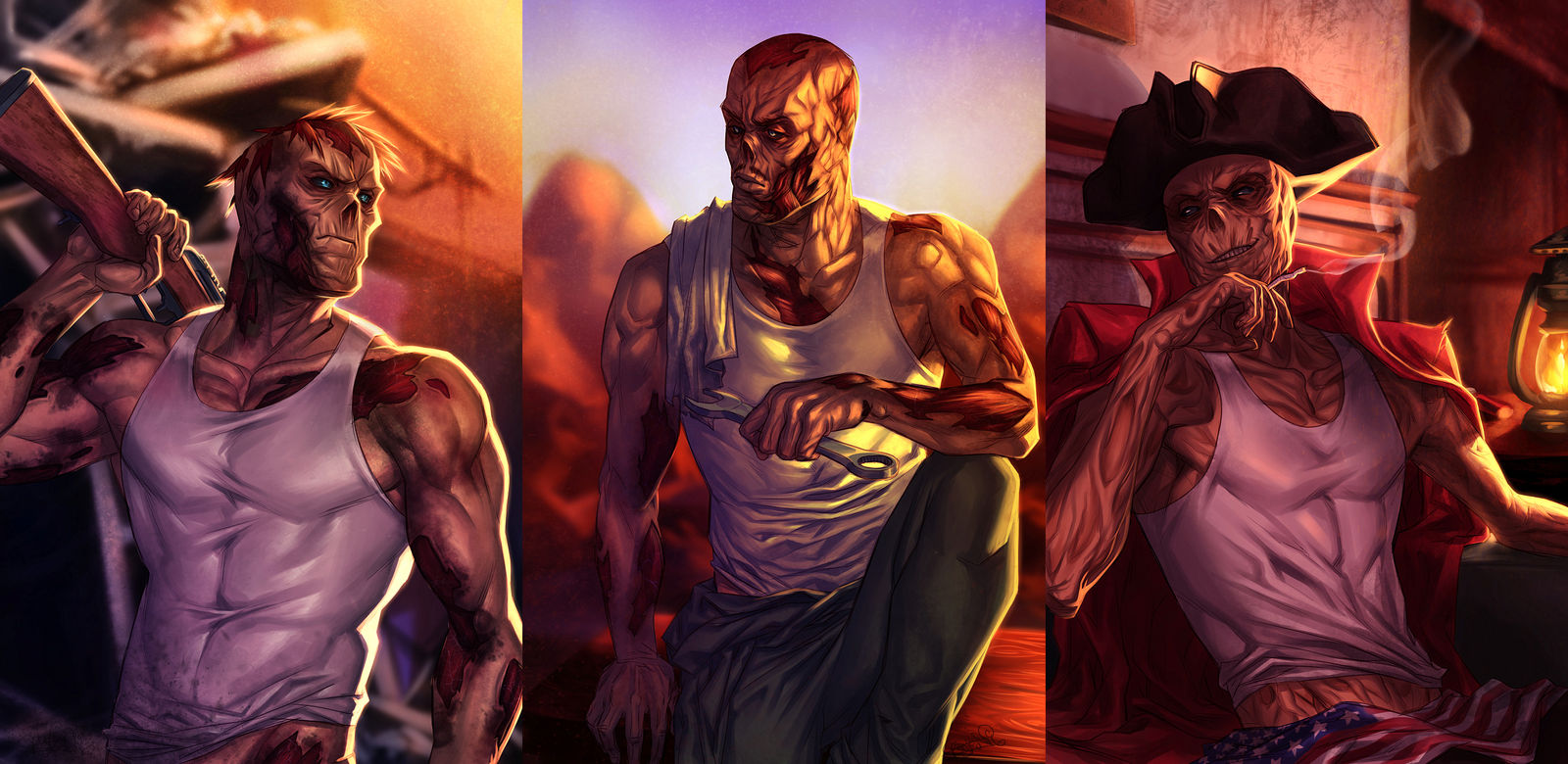
In the Fallout universe, ghouls are humans who survived extreme radiation exposure by undergoing a process known as ghoulification — a radical transformation that grants them extended lifespans, resistance to radiation, and regenerative abilities. Their bodies become heavily scarred and decayed in appearance, often with missing features and leathery skin, but their minds can remain intact, allowing many to continue living, thinking, and even thriving in wasteland societies. Some ghouls embrace their new existence and try to live peacefully, while others — overcome by isolation, trauma, or further exposure — may deteriorate mentally and turn into dangerous, feral ghouls. This duality gives ghouls a unique place in Fallout’s world: tragic survivors whose condition can either offer resilience and longevity or lead to tragic degradation.
The Origins of Ghouls
Ghouls were not always the decaying creatures that roamed the wastelands. In the Fallout lore, their transformation is a result of prolonged exposure to high levels of radiation. The intense radiation exposure causes their flesh to wither and their cells to mutate, resulting in their distinct appearance. Despite their physical decay, Ghouls retain their mental faculties and intelligence, making them unique survivors in the harsh and unforgiving post-nuclear world.
Origins and Transformation
Ghouls in the Fallout universe are not creatures born of folklore or myth but are instead tragic products of radiation exposure. When the bombs fell during the Great War, those caught in the direct aftermath were subjected to intense radiation levels that mutated their bodies in unexpected ways. Some humans, rather than succumbing to radiation poisoning, underwent a transformation that rendered them immortal in a sense. These individuals became Ghouls.
The transformation into a Ghoul is not a pleasant one. Their skin becomes leathery and discolored, their hair falls out, and their features contort into a grotesque semblance of their former selves. Despite these outward signs of decay, Ghouls retain their intelligence and memories, unlike mindless zombies or feral ghouls. This preservation of self is both a blessing and a curse, as Ghouls must endure the stigma of their appearance and the psychological toll of outliving friends and loved ones.
Society and Stigma
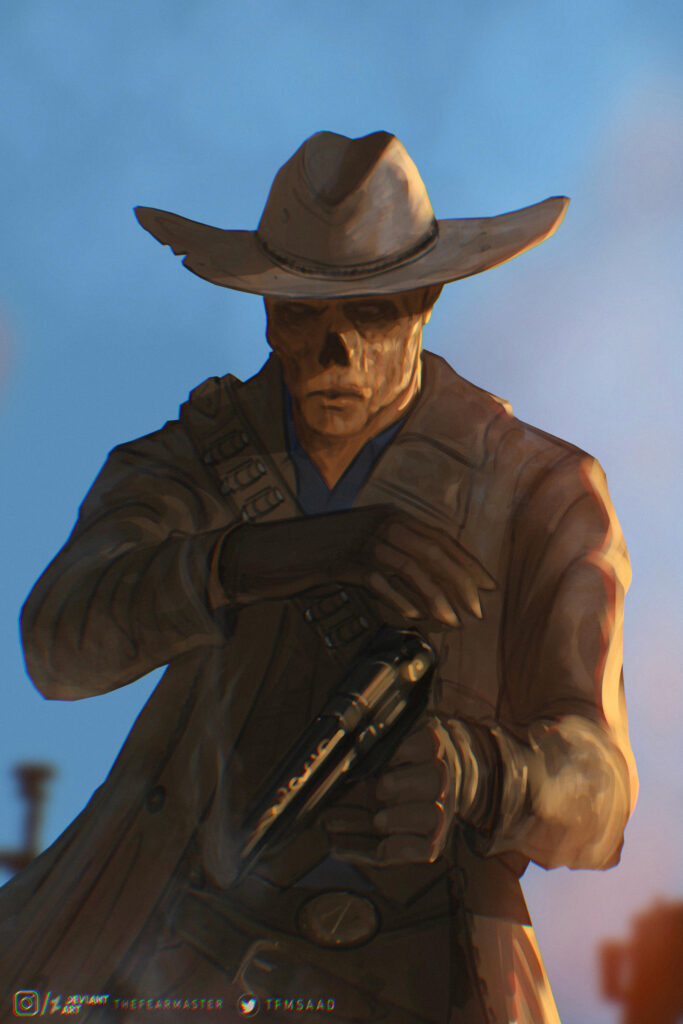
Within the Fallout universe, Ghouls are often marginalized and discriminated against by both humans and other sentient beings. Their appearance invokes fear and revulsion among those who survived the apocalypse relatively unscathed. This prejudice manifests in various forms, from exclusion from human settlements to outright hostility and violence.
However, despite the hardships they face, Ghouls have managed to forge their own communities and societies. One of the most prominent examples is the city of Necropolis, featured in the original Fallout game. Necropolis became a refuge for Ghouls seeking safety from the harsh realities of the wasteland. Led by the charismatic but enigmatic Ghoul leader, Set, Necropolis represented a beacon of hope and resilience for Ghouls everywhere.
Immortality
One of the most remarkable aspects of Ghouls is their immortality. Unlike humans, Ghouls do not age, and they are immune to diseases and common causes of death. While they can still suffer physical injuries, their bodies have an incredible regenerative ability that allows them to heal from wounds that would be fatal to others. This immortality comes at a price, as Ghouls must endure the constant decay of their bodies, leading to a grotesque and unsettling appearance.
Radiation Resistance
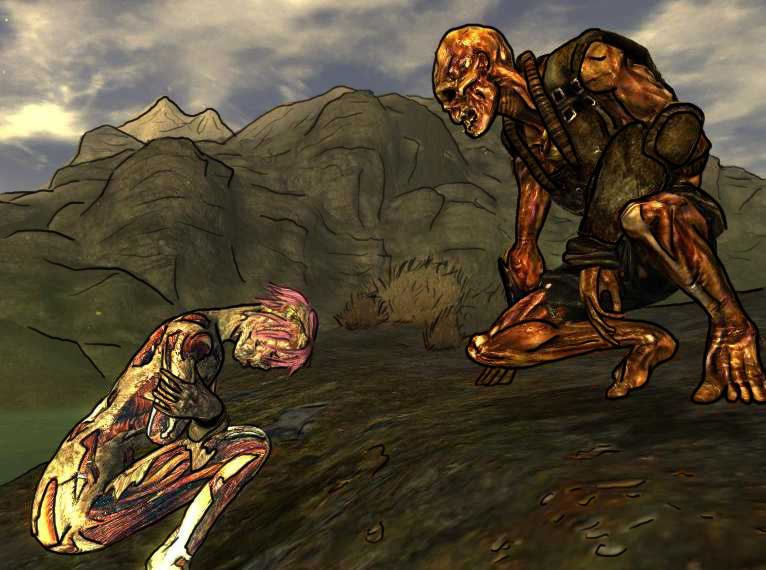
Ghouls have an exceptional resistance to radiation. While high levels of radiation may have caused their transformation in the first place, Ghouls can now thrive in radioactive environments that would be lethal to most living creatures. This unique ability allows them to scavenge and explore areas that are otherwise inaccessible to humans, making them valuable allies or adversaries in the wasteland.
Social Dynamics
Within Ghoul communities, social dynamics differ from those of humans. Ghouls often form tight-knit groups, relying on each other for support and protection. They face discrimination and prejudice from humans due to their appearance, which has led to the formation of separate Ghoul settlements and factions. Some Ghouls, known as “smoothskins,” have managed to retain their human-like appearance and blend into human society, often concealing their true nature.
fallout the ghoul and Notable Ghouls
Throughout the Fallout series, numerous Ghoul factions and notable individuals have emerged, leaving their mark on the wasteland’s history:
The Underworld (Fallout 3)
The Underworld, located in the ruins of the Museum of History in Washington, D.C., serves as a haven for Ghouls seeking refuge from the harsh outside world. Led by the charismatic and wise Ghoul named Roy Phillips, The Underworld exemplifies the resilience and determination of Ghouls to carve out a place for themselves in the wasteland.
Raul Tejada (Fallout: New Vegas)
Raul Tejada, a companion in Fallout: New Vegas, is a Ghoul mechanic with a rich backstory. Raul’s experiences before and after the Great War give players a glimpse into the struggles and challenges faced by Ghouls. His character humanizes Ghouls and challenges common stereotypes, making him a beloved and memorable companion. There is more on this in Fallout New Vegas Console Commands.
Hancock (Fallout 4)
Hancock, the charismatic mayor of Goodneighbor in Fallout 4, is a Ghoul who has embraced his nature and uses it to his advantage. Known for his sharp wit and sense of justice, Hancock fights against oppression and discrimination. He serves as an example of a Ghoul who defies expectations and inspires others to see beyond appearances.
Conclusion
Ghouls are an integral part of the Fallout universe, representing the resilience and adaptability of life in the face of devastation. Their immortality, radiation resistance, and unique social dynamics make them compelling characters that challenge players’ perceptions and add depth to the wasteland’s lore. Whether they are allies or adversaries, Ghouls leave an indelible mark on the post-apocalyptic world, reminding us that survival can come in unexpected forms.
If you want to read an interesting article about it, explore our “ANIME” category.
FAQs
Ghouls in Fallout are humans who have been heavily irradiated, causing their bodies to undergo a ghastly transformation. Despite their appearance, they retain their intelligence and memories.
Ghouls maintain their intelligence and ability to reason, whereas Feral Ghouls have succumbed to radiation-induced madness, becoming aggressive and mindless.
Ghouls are effectively immortal in the sense that they do not age, but they can still be killed by physical injury or excessive radiation exposure.
A Ghoul is a human who survived massive radiation exposure and transformed into a mutated being with extended lifespan and radiation resistance.
A Feral Ghoul is a Ghoul that has lost all mental control and behaves like a savage creature driven only by instinct.