






Introduction
In the realm of visual technology, OLED (Organic Light-Emitting Diode) monitors have emerged as a revolutionary advancement, promising unparalleled display quality and immersive viewing experiences. Unlike traditional LED-backlit LCD monitors, OLED monitors boast self-emissive pixels that individually emit light, thereby achieving true blacks, infinite contrast ratios, and vibrant colors that captivate the senses.
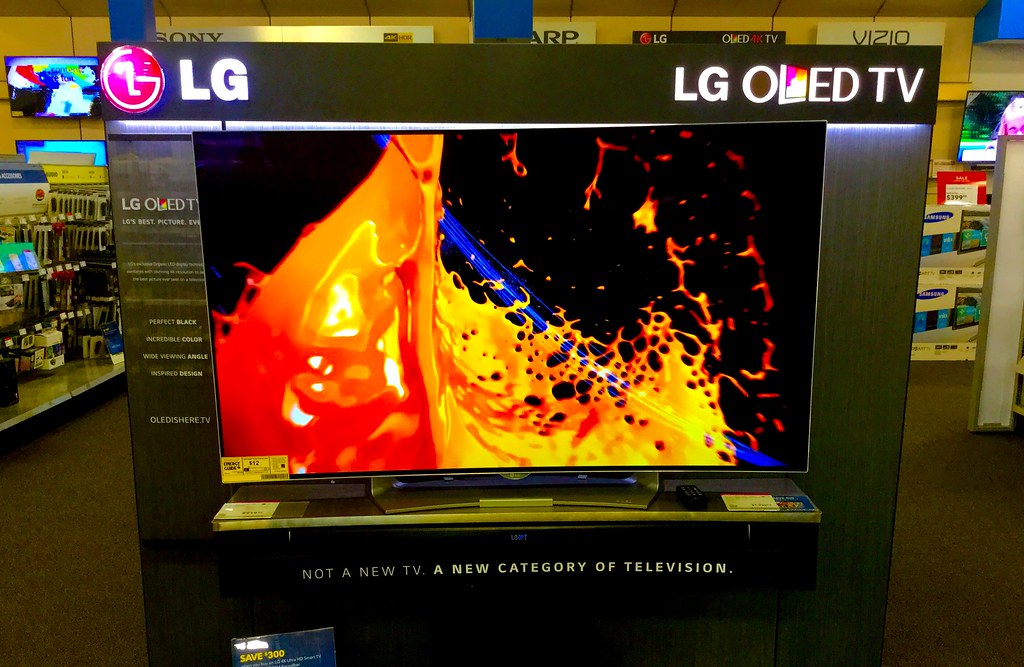
OLED Monitors
OLED monitors have redefined visual expectations with their groundbreaking technology. Each pixel in an OLED display emits its light, allowing for true blacks, vibrant colors, and unparalleled contrast ratios. This capability not only enhances viewing experiences across gaming, creative work, and entertainment but also sets a new standard for display quality. As OLED technology continues to advance, its potential to transform how we perceive and interact with digital content remains at the forefront of display innovation.
Understanding OLED Technology
OLED technology utilizes organic compounds that emit light when an electric current passes through them. Each pixel in an OLED display is composed of these organic emissive materials sandwiched between two electrodes. This setup allows for pixel-level control of brightness and color, resulting in remarkably sharp images with exceptional clarity and depth.
Why OLED Monitors Are Becoming the Gold Standard for Displays
OLED monitors represent a major advancement in display technology due to their ability to produce true blacks, infinite contrast, and highly accurate, vibrant colors. Because each pixel emits its own light, OLED panels eliminate the need for a backlight, resulting in sharper image quality and exceptional depth. This self-emissive technology also enables ultra-fast response times and smoother motion, making OLED monitors especially appealing for gaming, video editing, and professional creative work. In addition, their lightweight, ultra-thin design adds to their visual appeal and practicality, positioning OLED monitors as a premium choice for users who prioritize performance, clarity, and immersive viewing.
Considerations for OLED Monitors
While OLED monitors offer exceptional visual quality, there are a few considerations to keep in mind:
Burn-In Risk
OLED displays are susceptible to burn-in, which occurs when static images are displayed for extended periods. This can result in permanent image retention, where faint remnants of static content remain visible even after the image changes. To mitigate this risk, it’s advisable to vary the content displayed and use screensavers or pixel-shifting features provided by monitor manufacturers.
Price Premium
OLED monitors generally come at a higher price point compared to LCD monitors with similar specifications. The advanced technology and manufacturing processes involved contribute to the increased cost. However, as OLED technology continues to evolve and become more widespread, prices are expected to become more competitive in the future.
Limited Lifespan of OLED Pixels
OLED pixels degrade over time, leading to a gradual decrease in brightness and color accuracy. This phenomenon is known as “burn-out” and is inherent to OLED technology. While modern OLED monitors have improved longevity compared to early iterations, it’s essential to consider the lifespan of OLED pixels when making a purchase decision.
Applications of OLED Monitors
OLED monitors find applications across various industries and fields:
Entertainment and Gaming
OLED monitors excel in providing an immersive gaming and entertainment experience. Their vibrant colors, deep blacks, and fast response times make them ideal for gaming enthusiasts and media consumption. The enhanced visual quality allows users to fully appreciate the intricate details in games, movies, and TV shows.
Design and Multimedia Production
Graphics designers, photographers, and multimedia professionals require accurate color representation. OLED monitors offer exceptional color accuracy and a wide color gamut, enabling these professionals to work with precision and confidence. The true black levels also enhance the overall visual impact of their creations.
Medical Imaging
OLED monitors have become a preferred choice for medical imaging applications, such as radiology and surgical displays. The high contrast ratios and color accuracy of OLED technology aid in accurate diagnosis and visualization of medical images, supporting healthcare professionals in their critical work.
Home and Office Use
OLED monitors are equally suitable for home and office use. Their sleek design and stunning visuals add a touch of elegance to any environment. Whether it’s watching movies, working on creative projects, or simply browsing the web, OLED monitors elevate the overall viewing experience.
Advantages Over Traditional Monitors
Perfect Blacks and Infinite Contrast: OLED pixels can completely turn off to achieve true black, unlike LCDs where the backlight always shines through. This capability leads to infinite contrast ratios, making images appear more lifelike and enhancing details in both dark and bright scenes.
Superior Color Accuracy and Vibrancy: With each pixel emitting its light, OLED monitors reproduce colors more accurately and vividly compared to conventional displays. This feature is especially appreciated in applications like photo and video editing where color precision is critical.
Faster Response Times and Smooth Motion: OLED technology inherently offers faster response times, virtually eliminating motion blur and ghosting effects. This makes OLED monitors ideal for gaming and multimedia consumption, providing fluid and immersive experiences.
Slim Design and Energy Efficiency: OLED panels are inherently thin and lightweight due to the absence of a separate backlight layer. Moreover, they consume less power because pixels only draw current when emitting light, contributing to energy efficiency.
Benefits of OLED Monitors
OLED (Organic Light-Emitting Diode) monitors stand out as a beacon of innovation, offering a host of benefits that elevate user experiences to new heights. From impeccable image quality to energy efficiency, OLED monitors have reshaped home entertainment.
Superior Picture Quality
One of the most compelling advantages of OLED monitors lies in their ability to deliver unparalleled picture quality. Unlike traditional LCD monitors that rely on backlighting and liquid crystals to display images, OLED monitors feature self-emissive pixels. Each pixel can independently emit light or turn off completely, resulting in true blacks, infinite contrast ratios, and vibrant colors.
Enhanced Color Accuracy and Vibrancy
OLED technology excels in reproducing colors with exceptional accuracy and vibrancy. Since each pixel emits its light, there’s no need for color filters or backlighting adjustments found in LCDs. This results in colors that are more vivid, lifelike, and true to the original content.
Faster Response Times and Smooth Motion
Gamers and multimedia enthusiasts benefit significantly from OLED monitors’ fast response times and superior motion handling. With response times as low as 0.1 milliseconds, OLED displays virtually eliminate motion blur and ghosting, providing a seamless viewing experience even during fast-paced gameplay or action scenes in movies. This responsiveness enhances immersion and clarity, making OLED monitors a preferred choice among competitive gamers and cinephiles alike.
Energy Efficiency and Eco-Friendliness
OLED monitors are inherently more energy-efficient compared to traditional LCDs. Because OLED pixels emit light directly, they consume power only when needed, unlike LCDs which require continuous backlighting.
Challenges and Considerations
While OLED monitors offer numerous advantages, they also face certain challenges:
Potential for Burn-in: Persistent display of static elements over time can lead to burn-in, where faint remnants of those elements remain visible.
Higher Cost: OLED technology is currently more expensive to manufacture than traditional LCD panels, resulting in higher retail prices for OLED monitors.
Limited Size Availability: Large OLED panels suitable for monitors are less common and typically found in premium products, limiting choices for consumers.
Future Prospects and Innovations
Despite challenges, ongoing research and development in OLED technology continue to push boundaries. Innovations such as flexible OLED panels improved durability against burn-in, and increased production efficiency are expected to further enhance OLED monitors’ appeal and affordability in the future.
Conclusion
OLED monitors represent a significant leap forward in display technology, offering unmatched picture quality, color accuracy, and versatility across various applications. While they come with specific considerations, their ability to deliver stunning visuals and immersive experiences makes them a compelling choice for discerning users who prioritize visual excellence and cutting-edge technology in their displays. As advancements in OLED technology continue to evolve, the future holds even greater promise for these remarkable displays to redefine the standards of visual excellence in the digital age.
If you want to read an interesting article about it, explore our “PlayStation” category.
FAQs
OLED monitors offer several key benefits, including true blacks, infinite contrast ratios, vibrant colors, faster response times, energy efficiency, and a slim design due to their self-emissive pixel technology.
Yes, OLED monitors are excellent for gaming due to their fast response times and ability to display true blacks and vibrant colors. They provide a more immersive gaming experience with minimal motion blur, making them popular among gamers who prioritize visual clarity and responsiveness.
Burn-in is a potential issue with OLED monitors, especially when static images are displayed for prolonged periods. However, modern OLED displays incorporate technologies like pixel shifting and screen savers to mitigate burn-in effects.
An OLED monitor is a display that uses self-emissive pixels, meaning each pixel produces its own light without needing a backlight. This allows for deeper blacks, higher contrast, and more vibrant colors.
OLED monitors generally outperform LED and IPS displays in contrast, black levels, color accuracy, and response time. However, they are usually more expensive and may not suit every budget.