








Introduction
In today’s digital age, the world of gaming offers an incredible array of options, making it challenging to decide on the perfect game to play. Whether you’re a seasoned gamer or just starting your gaming journey, the question of “What game should I play?” can be overwhelming. Fear not! In this article, we will explore a step-by-step guide to help you find the ideal game that suits your preferences, interests, and mood. You might also like Happy Ghast in Minecraft.
What Game Should I Play?
Deciding on “what game should I play” often starts with a personal journey of exploration and curiosity. It’s about finding that perfect balance between excitement and relaxation, challenge and escapism. Whether delving into the intricate narratives of RPGs, mastering the strategic depths of multiplayer battles, or simply immersing oneself in the serene landscapes of simulation games, each choice offers a unique doorway into a different world. The quest for the right game is not just about entertainment; it’s about discovering experiences that resonate and captivate, fostering moments of joy and discovery in the ever-evolving realm of gaming.
Step 1: Identify Your Gaming Preferences
The first step in determining what game to play is understanding your gaming preferences. Take a moment to reflect on the following aspects:
- Genre: Consider the genres you enjoy the most. Are you a fan of action-packed adventures, immersive role-playing games, strategic simulations, or casual puzzles? Identifying your preferred genres will narrow down your search.
- Platform: Determine the platform you wish to play on. Do you prefer PC, consoles such as PlayStation or Xbox, or mobile devices? Each platform offers a unique gaming experience and a different selection of games.
- Single-player vs. Multiplayer: Decide whether you want to embark on a solo gaming adventure or engage in multiplayer experiences with friends or online communities. This choice will influence the type of game you should consider.
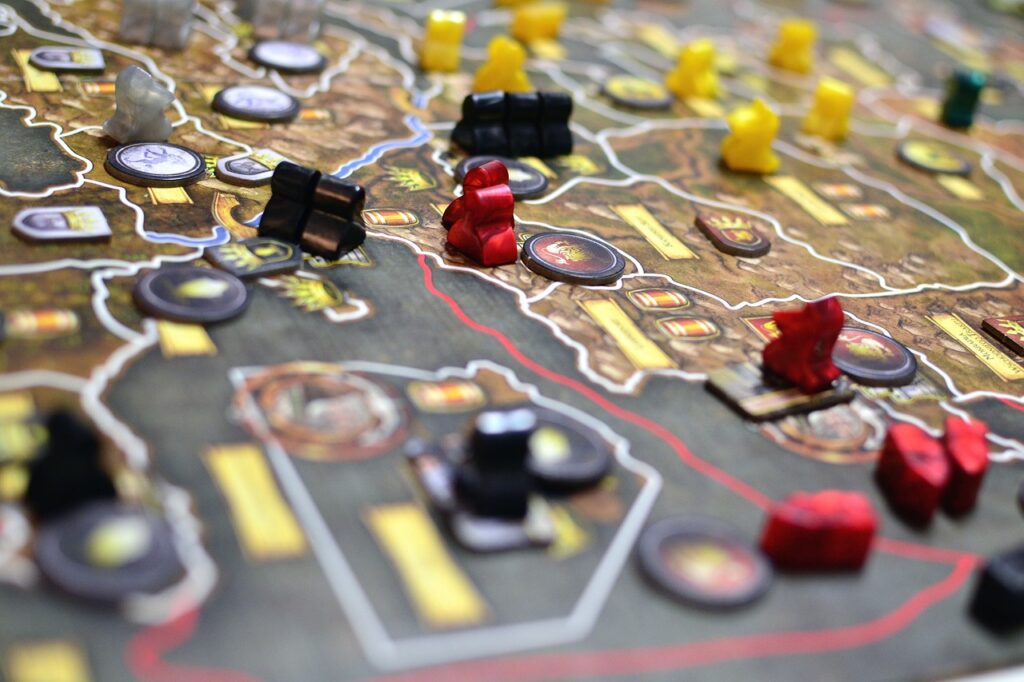
How to Decide What Game You Should Play
Choosing the right game becomes easier when you focus on your personal preferences and current mood. Some players enjoy fast-paced action, while others prefer slow, story-driven adventures, strategy challenges, or relaxing simulation games. Time commitment also plays an important role — quick casual games work well for short sessions, while larger open-world or role-playing games suit longer playtime. Thinking about difficulty level, play style (solo or multiplayer), and the type of experience you want helps narrow down the options and makes your final choice far more satisfying.
Step 2: Research and Exploration
With your gaming preferences in mind, it’s time to dive into research and exploration. Here are some effective methods to discover new games:
- Online Gaming Communities: Join gaming forums, subreddits, or social media groups where gamers discuss their favorite games and recommendations. Engage with the community and ask for suggestions tailored to your preferences.
- Game Review Websites: Visit reputable game review websites to read in-depth reviews and ratings. Websites like IGN, GameSpot, and Metacritic offer comprehensive insights into the gaming world and can help you make informed decisions.
- YouTube and Twitch: Watch gameplay videos, Let’s Plays, and live streams on platforms like YouTube and Twitch. This allows you to see the game in action, understand its mechanics, and get a feel for its overall atmosphere.
Step 3: Consider Game Mechanics and Features
Once you’ve gathered potential game options, it’s crucial to consider their mechanics and features. Here are a few aspects to keep in mind:
- Storyline and Narrative: If you enjoy captivating storytelling, look for games with rich narratives and engaging characters. Games like “The Witcher 3: Wild Hunt” or “Red Dead Redemption 2” excel in this aspect.
- Gameplay Mechanics: Pay attention to the gameplay mechanics and controls. Some games focus on fast-paced action, while others emphasize strategy or exploration. Choose mechanics that align with your preferred playstyle.
- Progression and Replay Value: Consider whether the game offers a satisfying sense of progression and long-term replayability. Games with extensive content, character customization, or multiplayer modes tend to provide lasting enjoyment.

Step 4: Try Before You Buy
To ensure a game truly resonates with you, take advantage of the available options to try them before making a purchase:
- Demo Versions: Many games offer demo versions or free trials. Take advantage of these opportunities to get a taste of the game’s mechanics and determine if it suits your preferences.
- Borrow or Rent: If you have friends who own the game you’re interested in, consider borrowing or renting it to try it out before committing to a purchase.
The Importance of Practice
Becoming a master of game play requires dedicated practice. Just like any other skill, practice builds muscle memory and enhances reflexes. By investing time and effort into regular practice sessions, players can improve their hand-eye coordination, reaction times, and decision-making abilities.
Practicing specific aspects of a game, such as aiming, timing, or resource management, can help players refine their skills and gain a competitive edge. Additionally, engaging in practice matches or participating in online communities can provide valuable feedback and insights from fellow players.
The Mindset of a Gamer
To truly excel in gameplay, one must cultivate a winning mindset. This involves maintaining focus, staying calm under pressure, and embracing a growth mindset. Accepting failures as learning opportunities rather than setbacks is key to continuous improvement.
A positive attitude can also enhance performance. Believing in oneself, setting achievable goals, and celebrating small victories along the way can boost motivation and drive. Additionally, keeping a balance between competitiveness and sportsmanship fosters a healthy gaming environment.
The Role of Communication and Collaboration
Many games today offer multiplayer modes, where teamwork and effective communication are essential. Coordinating with teammates, sharing information, and devising strategies together can significantly enhance the gaming experience.
Clear and concise communication can prevent misunderstandings and ensure everyone is on the same page. Collaborating with teammates, assigning roles, and leveraging each other’s strengths can lead to better outcomes. Effective teamwork not only improves gameplay but also fosters camaraderie and social connections within the gaming community.
Explore New Genres and Themes
Don’t be afraid to step outside your comfort zone and explore new genres and themes. Gaming offers a diverse range of experiences—from fantasy realms and historical settings to futuristic worlds and beyond. Trying a game in a different genre can introduce you to innovative gameplay mechanics, unique storytelling techniques, and fresh perspectives that broaden your gaming horizons.
Read Reviews and Recommendations
Harness the power of reviews and recommendations from both professional critics and fellow gamers. Websites, forums, and social media platforms provide valuable insights into game quality, gameplay mechanics, storyline depth, and overall player satisfaction. Pay attention to reviews that align with your gaming preferences and priorities to make informed decisions and discover hidden gems.
Consider Gameplay Length and Time Commitment
Consider how much time you have available for gaming and choose a game that matches your schedule. Some games offer short, satisfying experiences that can be completed in a few hours, while others require longer play sessions to delve into intricate storylines or complete challenging quests. Aligning the game’s length and time commitment with your availability ensures that you can fully enjoy and immerse yourself in the gaming experience without feeling rushed.
Utilize Gaming Platforms and Services
Take advantage of gaming platforms and services that offer curated recommendations and personalized suggestions based on your gaming history and preferences. Platforms like Steam, PlayStation Network, Xbox Live, and Nintendo eShop provide curated lists, user reviews, and ratings to help you discover new games tailored to your tastes. Subscription services such as Xbox Game Pass, PlayStation Plus, and Apple Arcade offer access to a diverse library of games, allowing you to explore different titles without committing to a full purchase.
Trust Your Instincts and Enjoy the Journey
Ultimately, trust your instincts when choosing a game. If a particular title captures your interest or sparks curiosity, it’s likely for a reason. Gaming is a personal experience, and finding enjoyment in a game often boils down to personal preferences and intuition. Embrace the journey of discovering new worlds, characters, and challenges, and relish the excitement of immersing yourself in the captivating realm of gaming.
Conclusion
The question of “What game should I play?” is not merely about selecting a title from a list—it’s about discovering an experience that captivates and entertains you. By considering your preferences and mood, exploring different genres, seeking recommendations, utilizing gaming platforms, and trusting your instincts, you can navigate the vast landscape of gaming with confidence and excitement. Embrace the journey of discovery, and may your next gaming experience be truly unforgettable.
Apart from that if you want to know about “Baldur’s Gate Multiplayer” then please visit our “MOBILE GAMES” Category.
FAQs
Exploring different genres can broaden your gaming experience and introduce you to new types of gameplay and storytelling. Don’t be afraid to try out genres outside your comfort zone—you might discover hidden gems or unexpected favorites.
Seek recommendations from friends, online gaming communities, or forums dedicated to gaming. Personal recommendations often highlight unique or lesser-known titles that align with your preferences and gaming style.
If you encounter challenges or get stuck in a game, don’t hesitate to consult walkthroughs, guides, or online forums for tips and strategies. Sometimes a fresh perspective or advice from other players can help you progress and enjoy the game to its fullest.
Casual games, puzzle games, mobile games, and short-session indie titles are ideal because they don’t require long time commitments.
Start by thinking about your mood, available time, and the type of experience you want. Relaxing games work well for stress relief, while competitive games suit high-energy moods.