

A Wizzrobe is a recurring spell-casting enemy from the Legend of Zelda series. These enemies usually teleport, attack with magic, and force players to fight from range. Their exact abilities, weaknesses, and rewards change between games, making each encounter slightly different.
They appear throughout classic Zelda titles and modern releases such as Breath of the Wild. Tears of the Kingdom keeps their familiar elemental combat while changing the weapons they carry. Understanding those differences makes these unpredictable enemies much easier to handle.
Quick answer: These foes are magical Zelda enemies known for teleporting and launching elemental attacks. Modern versions use fire, ice, or electricity and often summon matching weather or monsters. Headshots can create openings, while opposite elements can defeat fire and ice variants quickly in Tears of the Kingdom.
Quick Facts
| Detail | Key information |
|---|---|
| Franchise | The Legend of Zelda |
| Enemy type | Spell-casting magical enemy. |
| Common behavior | Teleporting and ranged magic |
| Main modern elements | Fire, ice, and electricity |
| Stronger variants | Meteo, Blizzrobe, and Thunder |
| Useful tactic | Ranged attacks and headshots |
| BOTW rewards | Elemental rods |
| TOTK weapons | Rods or weapons fused with elemental gems |
| Major appearances | Classic Zelda, Majora’s Mask, BOTW, TOTK, Echoes of Wisdom |
Nintendo’s Breath of the Wild Explorer’s Guide describes these enemies as dangerous opponents for unprepared players. Defeating them in that game rewards Link with their elemental rods. Better equipment and ranged weapons can make those encounters considerably safer.
What Is a Wizzrobe in The Legend of Zelda?
This enemy has appeared throughout many generations of Zelda games. Its visual design changes, yet magical attacks and sudden movement remain central traits. Zelda Dungeon lists appearances stretching from the original game through Echoes of Wisdom.
The original concept presents a wizard-like monster that appears and disappears before attacking Link. A Link to the Past kept that recognizable magical behavior. Later games expanded the idea with teleporting, elemental spells, clones, weather effects, and specialized weapons.
This design creates a different challenge from enemies that rush toward Link directly. Players must watch movement patterns and react before the spellcaster disappears again. Accurate ranged attacks often matter more than aggressive sword combinations.
For more gaming explainers and walkthroughs, browse eGamesi’s Guides section. It includes location guides, combat help, and other practical gaming coverage.
Wizzrobe Types in Breath of the Wild and Tears of the Kingdom
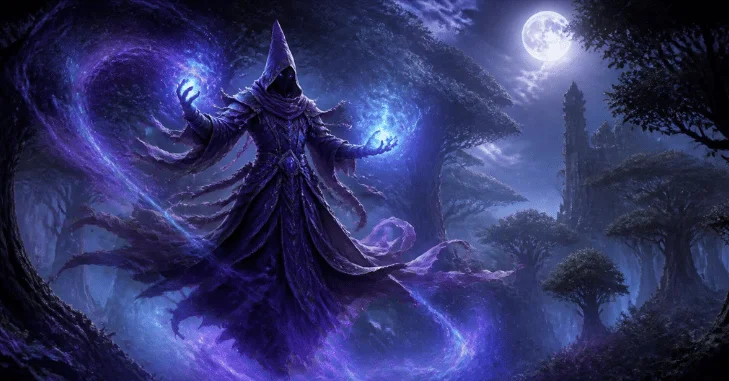
Breath of the Wild introduced six prominent elemental forms. The basic versions use fire, ice, or electricity, while stronger versions amplify those powers. Tears of the Kingdom retains the same six-part structure.
| Type | Element | Stronger version | Main danger |
|---|---|---|---|
| Fire type | Fire | Meteo | Fireballs and severe heat |
| Ice type | Ice | Blizzrobe | Freezing attacks and blizzards |
| Electric type | Electricity | Thunder | Shock attacks and thunderstorms |
Fire variants can change surrounding conditions while attacking from the air. Their projectiles punish players who stay exposed for too long. Ice versions create similar pressure through freezing attacks and cold conditions.
Electric variants demand extra care because shock damage can disrupt your equipment and movement. Game8 recommends headshots for stunning the Electric variant in Tears of the Kingdom. Lightning-resistant equipment can also reduce the danger during longer encounters.
How to Beat Wizzrobes More Easily
The safest approach starts by creating distance and watching the enemy’s teleport pattern. Keep a bow ready instead of chasing every position with a melee weapon. A clean headshot can knock modern variants down and create an easier opening.
Use these tactics during most Breath of the Wild or Tears of the Kingdom encounters:
- Keep enough distance to see incoming elemental attacks.
- Aim for the head when the enemy becomes visible.
- Use fire against ice-based enemies.
- Use freezing attacks against fire-based enemies.
- Avoid standing inside weather or elemental hazards.
- Attack quickly while the enemy is stunned.
- Carry healing food before challenging stronger variants.
Element matching becomes especially valuable against fire and ice enemies. Current Tears of the Kingdom data shows fire forms are extremely vulnerable to freezing. Ice forms have the corresponding weakness to fire.
Electric types require a different plan because they lack that simple opposite-element weakness. Headshots remain dependable when you have a clear line of sight. Protective equipment can give you more room for mistakes.
Why Opposite Elements Matter
Elemental weaknesses can shorten encounters and reduce resource use. A Blizzrobe can be defeated immediately by a suitable fire attack in Tears of the Kingdom. That makes elemental materials useful even when your strongest ordinary weapon is unavailable.
The same principle works against fire-aligned versions by using freezing effects. You should identify the enemy’s element before choosing ammunition or throwable materials. Its color, attacks, and surrounding weather usually make that identification straightforward.
Electric enemies don’t follow the same fire-versus-ice relationship. Your bow becomes more important during those battles. Reliable aiming can prevent the enemy from controlling the fight with repeated lightning attacks.
What Do Wizzrobes Drop?
Rewards depend heavily on which Zelda game you are playing. Breath of the Wild enemies can drop the elemental rods used during combat. Nintendo specifically highlights these rods as worthwhile rewards for defeating difficult spellcasters.
Tears of the Kingdom handles its equipment differently. They carry standard weapons combined with elemental gems instead of BOTW’s unique elemental rods. Zelda Dungeon identifies ruby, sapphire, and topaz as the corresponding elemental materials.
That distinction matters when deciding whether an encounter is worth your time. Game8 lists no conventional material drop for the Electric version in TOTK. The equipped weapon and attached gem therefore become the main practical attraction.
Players interested in unusual RPG enemies may also enjoy eGamesi’s Games Like Undertale guide. It covers several games built around distinctive characters, combat systems, and exploration.
Where Can You Find Them in Tears of the Kingdom?
These spellcasters appear across several regions rather than one dedicated area. Their elemental form often matches the environment or challenge surrounding their location. Exploring widely is therefore more useful than searching one dungeon repeatedly.
Game8 places Fire variants around areas including Hyrule Field and Eldin Canyon. Electric versions can appear around Lanayru Great Spring and the Tabantha Frontier. Players can also use Sensor+ after adding the desired enemy to the Hyrule Compendium.
Recent game-data research identifies 72 spawn positions across Tears of the Kingdom. That source reports 71 surface spawns and one sky location. Exact routing matters mainly for players farming particular elemental weapons or gems.
How the Enemy Changed Across Zelda Games
Early Zelda versions established the basic formula of appearing, disappearing, and firing magic. A Link to the Past presents a wizard that can only be damaged while visible. That simple rule rewards timing instead of constant attacks.
Majora’s Mask turns the concept into a more focused mini-boss encounter. The enemy teleports between pads and later produces clones to confuse Link. Ranged attacks remain an effective response because they reduce risky movement across the arena.
Breath of the Wild expanded the concept through elemental families and environmental effects. Tears of the Kingdom kept that combat identity but changed the weapon system. Echoes of Wisdom continues using fire, ice, and electric versions in another gameplay format.
Those changes show why the enemy has survived across so many entries. The core behavior is recognizable without requiring identical encounters in every game. Developers can adjust elements, weapons, arenas, and rewards while preserving its magical identity.
For another character-focused gaming article, see eGamesi’s Deltarune Chapter 3 guide. It covers characters, environments, combat ideas, and story-related gameplay topics.
Best Strategy for New Players
Start every encounter by observing instead of rushing forward immediately. Find safe ground and watch where the enemy reappears after teleporting. You can then prepare your bow before its next attack begins.
Keep elemental materials accessible when exploring areas containing fire or ice variants. Opposite-element attacks can turn a troublesome battle into a short encounter. Saving those materials for enemies with clear weaknesses is often more efficient.
Against electric versions, prioritize movement, accurate headshots, and resistance where available. Avoid fighting carelessly during thunderstorms caused by the enemy. Once it falls or becomes stunned, close the distance and finish the encounter quickly.
Frequently Asked Questions
What is a Wizzrobe in Zelda?
It is a recurring magical enemy that attacks Link with spells and unpredictable movement. Many versions teleport before launching ranged attacks. Modern Zelda games divide them into fire, ice, and electric families.
What is the easiest way to defeat one?
Use a bow and aim for the head whenever the target becomes visible. Fireworks extremely well against ice variants, while freezing counters fire variants. Electric versions are usually better handled with accurate ranged attacks and suitable resistance.
Are Wizzrobes in Tears of the Kingdom?
Yes, they return in Tears of the Kingdom with several elemental variants. Their general behavior remains close to Breath of the Wild. Their weapons changed to equipment fused with gems matching their elements.
Do they drop elemental rods?
They drop elemental rods in Breath of the Wild. Tears of the Kingdom uses a different weapon system based on fused elemental gems. The reward structure therefore depends on which game you are playing.
How many types are in Tears of the Kingdom?
There are six main modern variants: Fire, Ice, Electric, Meteo, Blizzrobe, and Thunder. The latter three are stronger counterparts of the basic elemental versions. Their attacks and environmental effects reflect their associated elements.
Know the Element Before You Attack
These enemies become much less frustrating once you recognize their elemental rules. Keep your bow ready, watch teleport patterns, and use opposite elements whenever possible. Those habits work across many of their modern appearances.
Their long history also makes them one of Zelda’s most recognizable magical enemy families. Each game changes details without losing the familiar teleport-and-cast identity. Check eGamesi’s gaming guides as you explore other enemies, characters, and difficult encounters.