


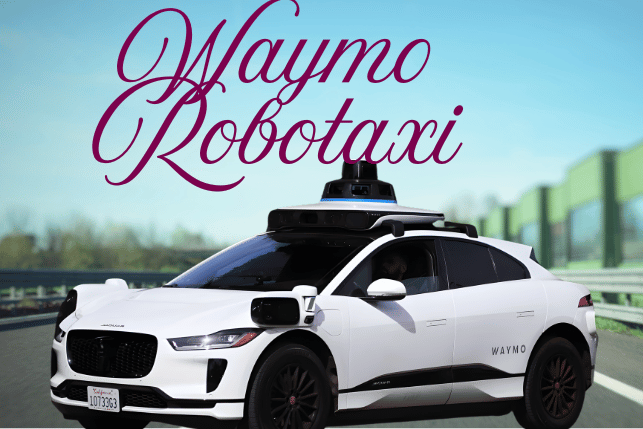





Waymo Robotaxi
Waymo Robotaxi is redefining the future of transportation by introducing a fully driverless ride-hailing experience powered by some of the most advanced autonomous driving technology in the world.As a pioneering project under Alphabet Inc. Waymo Robotaxi brings together artificial intelligence, precision mapping, real-time sensors, and electric vehicles to offer a safer, smoother, and more predictable way to travel.
Already operating in select U.S. cities, Waymo Robotaxi showcases what everyday mobility could soon become: clean, autonomous, and controlled entirely through an easy-to-use app.
| Category | Waymo Robotaxi Overview |
| Service | Waymo Robotaxi is a fully autonomous ride-hailing service operating in select U.S. cities under Alphabet Inc. |
| Ride Pricing | offers transparent fixed fares, typically $15–$30, often 20–40% higher than Uber or Lyft due to advanced technology and operations. |
| App (Waymo One) | The app on iOS & Android allows for account setup, payment, booking, real-time route info, and feedback. No tipping is required. |
| Vehicles | uses Jaguar I-PACE electric SUVs and Chrysler Pacifica Hybrid minivans, fully modified for Level 4 autonomy. |
| Sensor Suite | Vehicles include lidar, cameras, radar, and ultrasonic sensors for perception, navigation, and obstacle detection. |
| Autonomous Driving Tech | Powered by the Waymo Driver, the system handles mapping, localization, perception, prediction, path planning, and vehicle control. |
| Safety & Testing | has logged millions of miles; features redundant systems, fail-safes, human monitoring, and simulation-tested AI for safety. |
| Strengths | High safety, fully driverless experience, transparent pricing, no tipping, electric options, and consistent, predictable driving behavior. |
| Challenges | Higher cost, limited-service areas, high operational expenses, public skepticism, and regulatory hurdles for Waymo Robotaxi expansion. |
| Future Potential | Waymo Robotaxi aims to expand coverage, reduce fares, offer subscriptions, integrate with transit, develop purpose-built AVs, and improve traffic flow. |
Ride Pricing: How Much Does a Waymo Robotaxi Cost?
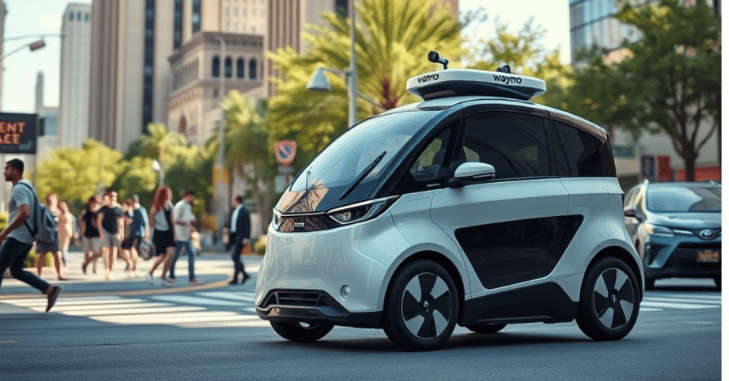
How Waymo Robotaxi Pricing Works
Waymo Robotaxi uses a straightforward fare system that eliminates surprises during the journey. The fare displayed in the app is calculated using the most direct route based on real-time data. Even if the autonomous vehicle chooses a different path due to traffic or safety considerations, the price does not change.
This fixed-pricing approach ensures customers always know the exact cost of their trip before they begin, providing a sense of fairness and trust in the system.
Typical Fare Ranges for Waymo Robotaxi
While the cost structure is similar to other rideshare platforms, Waymo Robotaxi rides are often slightly more expensive. Each ride usually includes a base fare, followed by per-mile and per-minute charges calculated using the estimated duration and distance.
In most markets, riders can expect an average cost ranging from around 15 to over 30 dollars, depending on the length of the ride. Shorter trips may feel more expensive because the base fare weighs more heavily, while longer routes often provide better value per mile.
How Waymo Robotaxi Compares to Uber and Lyft
Based on user reports and independent fare comparisons, it tends to cost between 20 and 40 percent more than traditional ridesharing options like Uber or Lyft. Despite this price difference, many riders perceive the premium as worthwhile.
The appeal stems from the comfort, smooth driving experience, and technological sophistication of a fully autonomous vehicle. Riders also appreciate the consistency of pricing and the absence of surge-based fluctuations.
Why Waymo Robotaxi Rides Cost More
The higher pricing of Waymo Robotaxi can be attributed to several advanced technological and operational factors. First, each Waymo vehicle is equipped with a state-of-the-art sensor suite, including lidar, radar, and high-resolution cameras. These sensors are essential for safe autonomous driving but are significantly more expensive than equipment found in standard vehicles.
Another major contributor to cost is the onboard computing hardware. Vehicles use powerful processors that continuously analyze sensor data, predict traffic behavior, and navigate complex road conditions. These high-performance systems require substantial investment and ongoing development.
App Setup and Using Waymo One
- The Waymo One app is the central tool for accessing the Waymo Robotaxi service, functioning much like a traditional ride-hailing app but designed specifically for autonomous vehicles.
Getting Started with the App
- Download the Waymo One app on iOS or Android.
- Create an account and enter basic personal details.
- Add a valid payment method to complete your profile.
- In selected cities, new users may need to join a waitlist or receive an invitation before requesting Waymo Robotaxi rides.
How to Book a Waymo Robotaxi
- Enter your pickup location and destination in the app.
- View the upfront fare estimate displayed before booking.
- Confirm the ride request to schedule a Waymo Robotaxi.
- The autonomous vehicle drives itself to your pickup spot using high-precision mapping to arrive as close as possible.
During the Ride
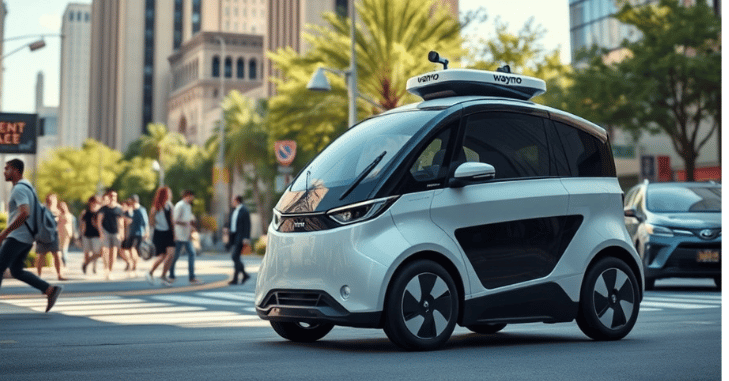
- Passengers sit back and enjoy a smooth, fully autonomous experience with no manual intervention needed.
- Interior touchscreens show useful details such as:
- The mapped route
- Estimated arrival time
- Nearby vehicles, cyclists, and pedestrians detected by sensors
After the Ride
- A trip summary appears in the app, including route details, cost, and total duration.
- Riders can leave feedback or report concerns directly in the app.
- No tipping is required, keeping the Waymo Robotaxi experience simple and consistent.
Waymo Logo Meaning & Brand Identity
The Waymo logo is simple yet symbolic. It communicates the brand’s forward-thinking approach to mobility and technology.
Design Features
The logo features a clean, modern typography with a light and approachable appearance. The lowercase style makes it friendly instead of intimidating, despite representing highly sophisticated technology.
The small dot inside the letter “o” resembles a sensor or signal pulse, representing the precise and constant awareness Waymo’s sensors maintain while navigating. The brand identity emphasizes innovation, safety, and the journey toward a new way of mobility.
Symbolic Meaning
The name “Waymo” reflects the idea of “a new way forward in mobility.” The branding focuses on transformation, autonomy, and future-forward design. The logo echoes the company’s mission to make self-driving technology accessible, safe, and trusted by the public.
Car Specs
Waymo uses advanced electric and hybrid vehicles that are fitted with customized sensor systems and autonomous driving computers.
Main Vehicles Used
Waymo primarily uses
- Jaguar I-PACE all-electric SUVs
- Chrysler Pacifica Hybrid minivans
Both vehicles are modified by Waymo to include an array of sensors, specialized hardware, and software that allow them to operate as fully autonomous Level 4 vehicles.
Sensor Technology
The sensor suite is among the most advanced in the industry:
- Lidar: Provides 3D mapping and detects objects with exceptional accuracy.
- Cameras: High-resolution cameras monitor traffic signals, signs, roads, and obstacles.
- Radar: Measures object speed and helps in low-visibility conditions.
- Ultrasonic Sensors: Assist with close-range detection, like parking and tight maneuvers.
- Compute Units: Powerful onboard processors analyze sensor data, plan routes, predict behavior, and make split-second driving decisions.
Vehicle Performance
Waymo vehicles are engineered for reliability and safety. They:
- Operate at Level 4 autonomy, meaning no human driver is needed within defined service areas.
- Use detailed pre-mapped data to navigate accurately.
- Adapt to road changes in real-time using predictive models.
- Feature redundant systems to ensure safety even if one component encounters issues.
Waymo’s fleet also undergoes routine checks, cleaning, and maintenance to ensure consistent performance.
Autonomous Driving Technology & Safety Innovations
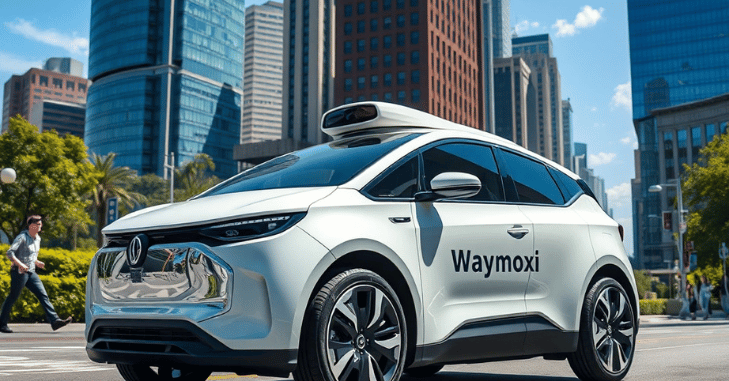
Waymo Robotaxi Autonomous Driving Tech
- The foundation of Waymo Robotaxi is its advanced autonomous driving system known as the Waymo Driver, which enables safe, accurate, and fully driverless transportation.
Mapping and Localization
- vehicles rely on ultra-detailed 3D maps designed specifically for autonomous navigation.
- These maps include precise details such as:
- Lane geometry
- Traffic signals
- Crosswalks
- Curb heights
- Speed limits
- The Waymo Driver combines these high-definition maps with real-time sensor data to pinpoint the vehicle’s location with accuracy measured in inches.
Perception System
- The continuously scans its surroundings using lidar, radar, and cameras.
- Its perception system identifies and tracks:
- Pedestrians
- Cyclists
- Other vehicles
- Road obstacles
- Road markings
- Construction zones
- This allows the system to interpret complex traffic environments and respond instantly to changing conditions.
Prediction and Decision-Making
- The Waymo Driver predicts how surrounding road users are likely to behave.
- It can estimate whether:
- A pedestrian may cross suddenly
- A cyclist may merge
- A nearby vehicle may switch lanes
- These predictions draw from millions of miles of real-world and simulated driving, helping make intelligent decisions in fast-moving traffic.
Path Planning and Control
- After perceiving and predicting the environment, the system chooses the safest and most efficient path.
- Then smoothly control steering, acceleration, and braking to follow that path precisely.
- The vehicle constantly adjusts to real-time conditions such as traffic flow, road hazards, and unexpected obstacles.
Safety and Testing
- Waymo has accumulated millions of autonomous miles, supported by extensive virtual simulation.
- Key safety methods used in Waymo Robotaxi include:
- Redundant hardware systems
- Fail-safe emergency protocols
- Human review teams are monitoring vehicle operations
- Comprehensive post-ride analysis
- Studies indicate that Waymo Robotaxi vehicles experience lower crash rates compared to human drivers.
- The company maintains transparency by publishing safety reports, incident analyses, and ongoing system improvements.
Strengths, Challenges & Future Outlook
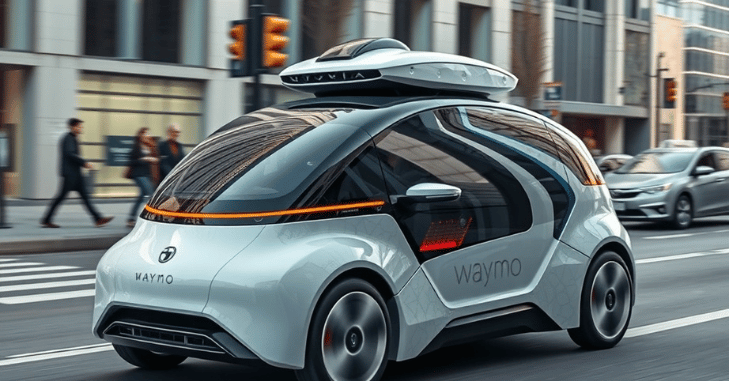
Strengths of Waymo Robotaxi
Offers a wide range of strengths that give it a clear advantage over traditional ride-hailing services. Its high safety standards, powered by advanced sensors, AI algorithms, and continuous monitoring, create one of the most secure transportation options available today.
Riders enjoy a comfortable, driverless experience that feels futuristic yet reliable. Waymo also provides transparent pricing with no hidden charges, which builds trust and consistency.
Challenges Facing Waymo Robotaxi
Despite its impressive progress, Waymo Robotaxi still faces notable challenges. One of the biggest concerns for many potential riders is the higher cost compared to traditional services like Uber or Lyft. Availability is also limited, as Waymo operates only in specific cities and carefully mapped service zones.
High operational and development expenses due to sensors, hardware, and AI infrastructure remain significant hurdles to scalability.
Public skepticism about riding in a fully autonomous vehicle continues to affect adoption rates, even with a strong safety record. In addition, regulatory barriers in various states shape how quickly and where Waymo can expand its autonomous fleet.
Future Potential of Waymo Robotaxi
Waymo Robotaxi has a powerful long-term vision aimed at transforming global transportation. As the system scales, riders can expect much broader service areas and potentially lower fares as operational costs decrease. The company may introduce subscription-based models for frequent users, making autonomous travel more accessible and affordable.
Conclusion
Waymo Robotaxi stands at the forefront of a new era in transportation, merging sophisticated autonomous driving technology with user-friendly app-based mobility. By leveraging advanced sensors, real-time mapping, and powerful AI-driven decision-making, it delivers a level of safety, consistency, and convenience that traditional rideshare services cannot match.
With ongoing improvements, expanding service zones, and future innovations on the horizon, Waymo Robotaxi represents more than just a ride; it signals the beginning of a smarter, cleaner, and truly driverless future for urban mobility. If current trends continue, Waymo Robotaxi is poised to become a major force in shaping how people move through cities in the years ahead.
Want to know about Best Primary Weapon in Helldivers 2: Comparison, Types Check out our Guides category.
FAQs
It is a division of Google’s parent firm, Alphabet Inc.
Total Incidents: Between 2021 and 2024, the NHTSA received reports of 696 Waymo incidents.
Last Sunday, amid demonstrations against the immigration policy of the Trump administration, five cars belonging to Google’s self-driving subsidiary Waymo were set on fire.